What Is the Cheapest Month to Go to Scotland?
Scottish hotel-rate data, the August festival spike, midge season and winter road closures, weighed up to find the months that genuinely cost less.

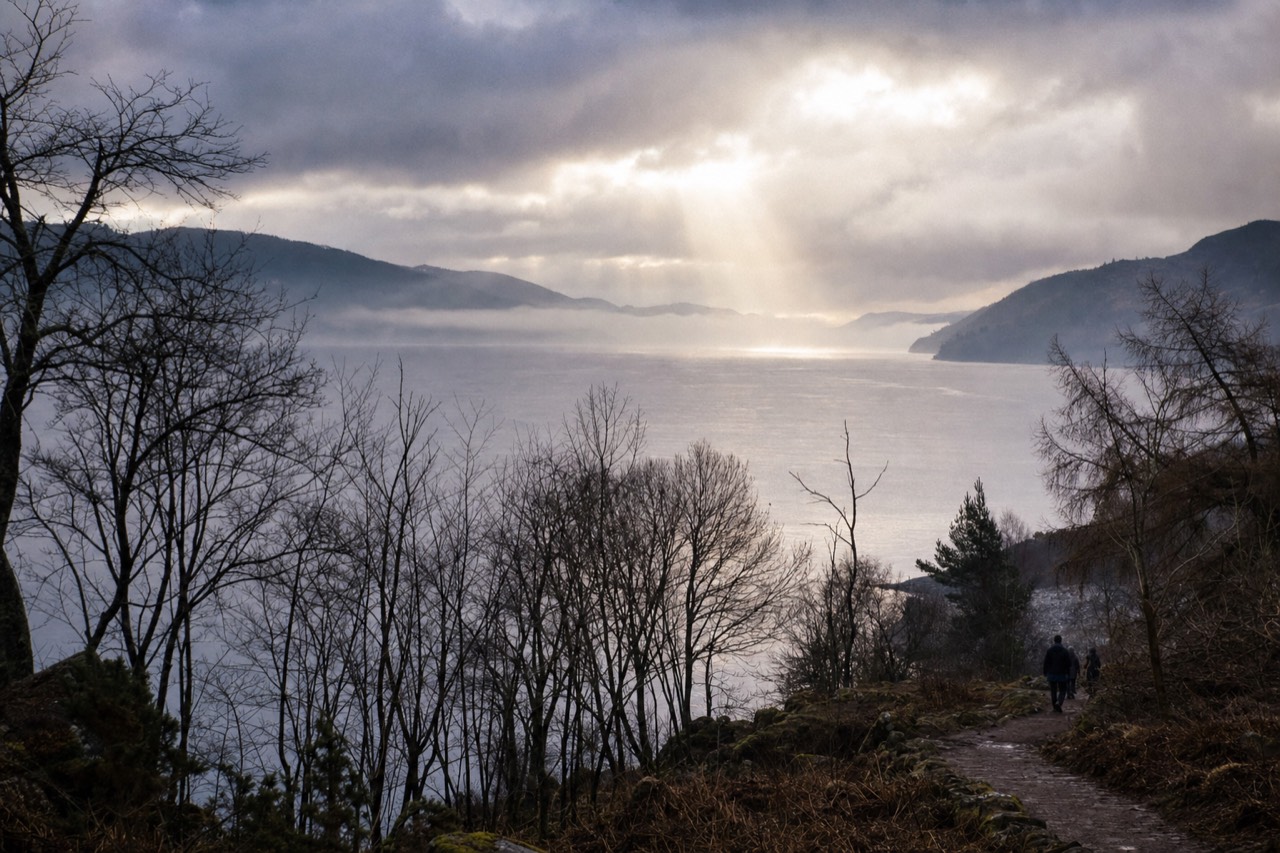
Scottish hotel-rate data answers this better than opinion does. In a recent August, hotels across Scotland ran at 90.9% occupancy with an average room rate of £261 a night. In June 2026 the same tracker showed about £182, and May 2026 about £172. That is roughly a £90 swing per night on the same bed, driven almost entirely by when you show up.
Late winter is cheaper still, and it is where the honest answer lands. February gets named most often in price-index roundups, with January, March, October and November close behind. No official month-by-month fare series for Scotland is published, so treat that as a strong pattern rather than a precise ranking.
What the rate data actually shows
| Period | Hotel occupancy | Average daily room rate |
|---|---|---|
| May 2026 | 83.7% | about £172 |
| June 2026 | 84.9% | about £182 |
| A recent August | 90.9% | about £261 |
The August number is the one to plan around. Edinburgh is the reason: the Fringe, the International Festival and the Military Tattoo all sit inside 7 to 31 August 2026, and rooms in the city during that window are priced for an audience that has already bought tickets. Hogmanay does the same thing for a shorter, sharper spell, with the turn of the year running 29 December into 1 January.
So which month is genuinely cheapest?
February, on the balance of the evidence, with January and November very close. Demand is at its lowest, the festival calendar is quiet, and accommodation is competing for a small pool of travelers rather than turning people away.
There is a real trade-off attached, and it is not just weather. Winter snow gates can close specific Highland routes outright, including the A939 between Cock Bridge and Tomintoul and the A93 over Glenshee, and Traffic Scotland is the place to check before you set off. Ferry sailings to Skye and the Outer Hebrides are regularly cancelled or rescheduled for wind and swell, so a winter island plan needs slack in it. Daylight is the quiet cost: a full-day Highland tour in midwinter starts and finishes in the dark at both ends.
How much does moving your dates actually save?
Run the numbers on the line that moves most. The gap between an August average room rate of £261 and a May figure near £172 is roughly £89 a night per room. Across five nights that is about £445 kept back on the same trip, before you change anything else about it.
Almost nothing else swings that hard. Admission prices are set by season rather than by demand: Historic Environment Scotland's Explorer Pass costs £48 for an adult across 14 days in the summer season, 1 April to 31 October 2026, and drops for the winter season after that. Guided day tours reprice with demand rather than on a published seasonal calendar, so a February loch cruise and a July one usually sit within a few pounds of each other.
The line that can undo the whole saving is airfare, and that depends entirely on where you fly from. Check your own route before assuming winter is cheaper end to end. A cheap bed in a month when nothing flies direct is not a bargain.
The shoulder months that cost less than they should
If February feels like too much of a compromise, late April into mid-May and the back half of October are the value windows worth knowing about.
Both sit outside midge season, which is the seasonal factor almost nobody budgets for. Scotland's midges generally run from late May to mid-September and peak through July into early August, worst on the west coast and in the northwest Highlands during calm, humid weather. The Scottish midge forecast tracks it week by week. An early-May Skye trip and a late-July Skye trip are different experiences for reasons that have nothing to do with price.
October has the additional advantage of low crowds with the roads still fully open, before the snow gates come into play. If your dates are flexible for reasons beyond cost, when to avoid visiting Scotland covers the periods worth actively dodging, and the best month to go overall weighs weather and daylight rather than money alone.
What still runs in the cheap months
Day tours are the part of a Scotland trip least affected by the calendar. The Loch Ness and Caledonian Canal cruise from Inverness runs short, costs US$47.20 to start, and holds 4.8 stars across 1,356 reviews, which makes it an easy add to a winter Inverness stay when a full Highland day would be a slog in the dark.
Edinburgh's indoor attractions barely notice the season either. The castle, the whisky venues and the city walking tours all operate year-round, and admission prices do not swing the way hotel rooms do.
Winter carries one advantage that has nothing to do with money: the crowds are gone. A castle courtyard that swallows an hour of queueing in August can be walked straight into on a February morning, and the Highland viewpoints that need a parking strategy in July sit empty. Midges are absent outside the late-May to mid-September window too, which counts for something on the west coast.
Glasgow is the underrated winter option. It is compact, most of what you would want to see is indoors or a short walk apart, and the city centre walking tour with a local guide starts at US$19.44 with 4.8 stars from more than 1,500 reviews.
Do the tours themselves get cheaper in winter?
Not in the way hotels do, and the more useful pattern is a different one: several multi-day packages simply stop running. The five-day Highland Adventure has departures through October 2026 and then picks up again in April 2027, so the cheapest month on paper is a month that itinerary does not operate at all.
Day tours out of Edinburgh, Inverness and Glasgow keep going, and their prices move with demand rather than with a published seasonal calendar. What that means in practice: winter is cheap for beds, roughly flat for guided days, and closed for some multi-day routes. Budget accordingly, and see what a trip to Scotland costs for the full arithmetic.
Anyone building a winter trip around the loch specifically should read Loch Ness boat and cruise options first, since sailing schedules thin out even where they do not stop. The full set of Highlands, Skye and Loch Ness day tours shows what is currently bookable, and Edinburgh's own city tours cover the wet-weather fallback.
Is January or February cheaper in Scotland?
February usually edges it. January carries a Hogmanay tail in the first days of the month, when Edinburgh accommodation is still priced for the celebration, while February has no comparable event anchoring demand. Both are far below the August peak, when Scottish hotel rates have run near £261 a night at over 90% occupancy.
What is the most expensive time to visit Scotland?
August, and specifically Edinburgh in August. The Fringe, the International Festival and the Military Tattoo overlap between 7 and 31 August 2026, pushing city accommodation to its yearly high. The days around Hogmanay are the other spike, shorter but just as sharp.
Is it worth visiting Scotland in winter?
Yes, with realistic planning. Cities, castles, distillery visits and short loch cruises all run through the winter, and rooms cost far less. The compromises are short daylight, possible snow-gate closures on Highland routes such as the A939 and A93, and ferry cancellations to Skye and the Outer Hebrides in rough weather, so leave spare days in an island itinerary.
Three city-based options at the cheap end of the roster, US$16.25, US$19.44 and US$27.26, none of which depends on a Highland road staying open: